Choosing the right garage floor coating is an important decision for homeowners across Kent and the surrounding areas of Washington. A durable, attractive garage floor does more than improve curb appeal—it also protects your concrete from damage, stains, weathering, and water damage that’s common in the Pacific Northwest climate.
While epoxy used to be the standard for garage floor coatings, many homeowners now choose polyaspartic systems instead. This shift is happening for good reason: polyaspartic coatings offer significant advantages in our region’s unique conditions. Understanding the differences between these coating systems can help you make a smarter investment that lasts for years and provides better protection for your concrete surfaces.
What Is Polyaspartic Coating?
Polyaspartic coating is a specialized floor coating that belongs to the same chemical family as polyurea. It’s a type of aliphatic polyurea, specifically formulated as a high-performance polymer coating. Originally developed for industrial applications because of its strength and fast cure times, polyaspartic coatings have become a popular choice for residential garages, basements, patios, and commercial spaces.
Unlike traditional epoxy coatings, polyaspartic coatings cure quickly through a chemical reaction that creates a tight molecular bond with concrete. They resist damage from UV rays, chemicals, moisture, and humidity. These benefits make polyaspartic a superior choice for homeowners who want a low-maintenance, high-performance garage floor that withstands Washington’s climate challenges.
The chemical compound creates a clear, solid film that can be modified with color additives and decorative elements to create various aesthetics while maintaining its protective properties.
The Science Behind Polyaspartic vs. Epoxy Resin
To understand why polyaspartic outperforms epoxy, it helps to know the fundamental differences in their chemical composition:
-
Epoxy: Traditional epoxy is a thermosetting polymer formed by mixing a resin with a hardener. This chemical reaction creates a rigid plastic material that bonds to concrete.
-
Polyaspartic: As a modified polyurea, polyaspartic coatings use different polymer structures that create more flexible, durable bonds. The chemical reaction happens faster and produces a coating with better molecular structure for long-term performance.
While both are superior to simple paint applications, polyaspartic’s advanced polymer technology offers significant advantages in durability, flexibility, and resistance to environmental factors that commonly affect Washington homes.
Faster Installation and Reduced Downtime
One of the biggest advantages of polyaspartic coatings is their quick installation process and reduced downtime. Most polyaspartic floors can be installed and ready for light foot traffic within 4-6 hours and vehicle traffic within 24 hours. In contrast, epoxy coatings can take 3-7 days to cure fully before you can park your car on them.
The curing process of polyaspartic is dramatically faster because of its unique chemical composition. While epoxy requires extended periods to complete its chemical reaction and achieve full hardness, polyaspartic curing happens rapidly even in higher humidity environments.
This faster turnaround means:
-
Less disruption to your daily routine
-
Reduced labor costs for installation
-
Ability to complete projects over a weekend
-
Quicker return to normal use of your garage or basement
-
Less time with vehicles, tools, and belongings displaced
If you are planning a home improvement project or preparing for a busy season, a polyaspartic coating allows you to complete your upgrade quickly and efficiently with minimal disruption to your household.
Superior Durability in Washington’s Challenging Weather
The Pacific Northwest’s damp conditions, temperature fluctuations, and seasonal changes can be tough on untreated concrete and traditional coatings. Polyaspartic coatings are specifically designed to handle these challenges that Washington homeowners face year-round.
Unlike epoxy, polyaspartic coatings maintain their appearance and strength even after years of moisture exposure and sunlight. They resist fading, peeling, and cracking, and they stay flexible enough to expand and contract with the weather. This flexibility prevents delamination (separation from the concrete) that often occurs with rigid epoxy systems in areas with temperature variations.
Key weather-resistance advantages include:
-
Moisture resistance: Polyaspartic creates a waterproofing barrier that prevents basement and garage moisture issues common in Washington
-
UV stability: Won’t yellow or degrade when exposed to sunlight, unlike epoxy
-
Temperature flexibility: Performs well in both winter cold and summer heat
-
Freeze-thaw durability: Expands and contracts without cracking during temperature cycles
Choosing a coating that can stand up to Washington’s rainy seasons and occasional temperature swings protects your investment and keeps your garage looking great year-round, reducing long-term maintenance needs.
Enhanced Chemical and Stain Resistance
Garage floors face a wide range of potential hazards, from oil spills and gasoline leaks to household chemicals and road salts. Basement floors often encounter cleaning fluids, pet accidents, and potential water issues. Epoxy coatings offer some protection, but polyaspartic coatings provide an even stronger barrier against these challenges.
Polyaspartic floors are highly resistant to:
-
Automotive fluids (oil, transmission fluid, brake fluid)
-
Gasoline and diesel fuel
-
Road salt and de-icing chemicals
-
Household cleaning products
-
Acids from battery leaks
-
Wine, coffee, and food stains
-
Paint and solvents
This superior chemical resistance makes polyaspartic ideal for active garages and workshops. They also offer better stain resistance, keeping your floor cleaner with less effort. Any spills that occur can be wiped up easily without leaving permanent marks behind, which significantly reduces maintenance requirements.
If you use your garage for DIY projects, outdoor gear storage, or vehicle maintenance, a polyaspartic coating helps protect your space from the chemical exposure that would damage or discolor other flooring options.
Low VOC and Reduced Odor: A Healthier Choice
An important consideration for many homeowners is the impact of volatile organic compounds (VOCs) during installation. Traditional epoxy systems often contain high levels of VOCs that release strong odors and potentially harmful fumes during the curing process.
Modern polyaspartic coatings offer low-VOC or even zero-VOC formulations that:
-
Produce minimal odor during installation
-
Reduce health risks associated with chemical exposure
-
Allow for faster reoccupation of the space
-
Meet stringent environmental regulations
-
Create a safer installation environment
This makes polyaspartic an excellent choice for families concerned about indoor air quality and those with sensitivities to strong chemical odors. The reduced volatile organic compound content doesn’t compromise performance—in fact, these environmentally friendly formulations often outperform their high-VOC counterparts in durability and longevity.
Greater Flexibility and Impact Resistance
Polyaspartic coatings are more flexible than traditional epoxy coatings. This flexibility allows them to absorb impacts and resist damage from dropped tools, heavy equipment, and everyday wear and tear that occurs in active garage spaces.
The impact resistance of polyaspartic comes from its molecular structure that allows slight movement without cracking or chipping. This is particularly important for:
-
Homes with workshop areas where tools might be dropped
-
Garages where heavy storage items are moved regularly
-
Spaces that experience heavy foot traffic or vehicle movement
-
Areas with children’s toys, bicycles, or sporting equipment
Over time, epoxy coatings can become brittle and may crack under heavy use or impact. Polyaspartic coatings maintain their integrity, providing reliable protection for the life of the floor. This makes them an excellent choice for busy households, hobby spaces, and workshops where durability is essential.
The abrasion resistance of polyaspartic is also superior, preventing the wear patterns that often develop near garage doors, workbenches, and high-traffic areas of basements.
Superior Moisture Management for Basements and Garages
Washington homes are particularly susceptible to moisture issues due to the region’s rainfall patterns and humidity levels. Untreated concrete is porous and allows moisture to migrate through the slab, potentially causing damage to items stored in your garage or basement.
Polyaspartic coatings create an effective moisture barrier that:
-
Prevents water vapor transmission through concrete
-
Reduces humidity levels in enclosed spaces
-
Protects against efflorescence (white mineral deposits)
-
Prevents mold and mildew growth underneath flooring
-
Maintains dry conditions even during wet seasons
This moisture management capability makes polyaspartic particularly valuable for basement applications, where controlling humidity is essential for creating usable living space. The waterproofing properties also help protect the concrete substrate from long-term degradation caused by water penetration.
Unlike epoxy, which can trap moisture and lead to adhesive failure, polyaspartic allows for some breathability while still providing excellent water resistance—an ideal balance for Washington’s climate conditions.
Attractive Finishes to Match Your Style
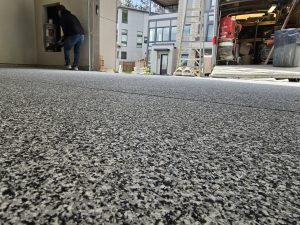
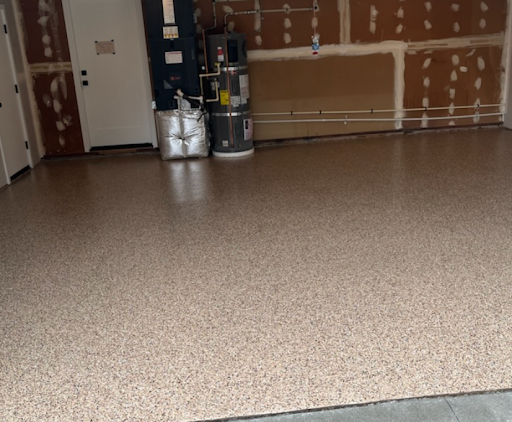
Polyaspartic coatings offer more than just performance benefits—they are also available in a wide range of colors, textures, and finishes. Whether you prefer a sleek solid color, a decorative flake system for added texture, or a metallic finish for a bold look, you can customize your garage or basement to match your personal style.
Popular aesthetic options include:
-
Solid colors: From neutral grays and tans to bold blues and reds
-
Decorative flake systems: Multi-colored chips that add texture and hide dirt
-
Metallic finishes: Creating depth and movement with reflective additives
-
Quartz aggregates: For additional slip resistance and visual interest
-
Custom patterns: Including borders, logos, or geometric designs
A professionally installed polyaspartic floor creates a clean, polished appearance that can make your garage or basement feel like an extension of your home rather than just a storage area. This transforms these utilitarian spaces into areas you’ll be proud to use and show off.
Choosing the right design adds to the overall value and enjoyment of your property, elevating spaces that are often overlooked in home improvement projects.
Polyaspartic vs. Polished Concrete: A Clear Winner
Some homeowners consider polished concrete as an alternative to coating systems. While polished concrete offers a natural look, it falls short of polyaspartic coatings in several key areas:
-
Protection: Polished concrete remains porous and vulnerable to stains and chemical damage
-
Maintenance: Requires regular resealing and special cleaning procedures
-
Durability: More susceptible to abrasion and wear patterns in high-traffic areas
-
Moisture resistance: Offers minimal protection against water penetration
-
Appearance: Limited color and design options compared to polyaspartic
While polished concrete might seem like a more affordable option initially, the long-term maintenance requirements and reduced protection make polyaspartic a better investment for most Washington homeowners.
Polyaspartic vs. Polyurea: Understanding the Differences
There’s often confusion between polyaspartic and polyurea coatings since they’re chemically related. Here’s how they compare:
Polyurea:
-
Extremely fast curing (seconds to minutes)
-
Typically requires specialized spray equipment
-
Less UV stable in some formulations
-
Often used for commercial/industrial applications
-
Limited working time during installation
Polyaspartic:
-
Controlled cure time (hours rather than minutes)
-
Can be applied with rollers and squeegees
-
Excellent UV stability
-
More suitable for residential applications
-
Better color retention properties
While both offer excellent durability, polyaspartic provides the ideal balance of working time and cure speed for residential garage and basement applications. The ability to apply polyaspartic with standard tools also makes it more practical for residential installations.
Installation Process: The Importance of Proper Preparation
The superior performance of polyaspartic coatings depends heavily on proper installation techniques. Unlike basic paint applications, professional polyaspartic installation involves several critical steps:
-
Concrete assessment: Testing for moisture content, checking for cracks, and evaluating the concrete‘s condition
-
Surface preparation: Diamond grinding or shot blasting to create the optimal profile for adhesion
-
Crack and joint repair: Addressing any existing damage before coating
-
Primer application: Using specialized primers to ensure proper bonding to the concrete
-
Base coat application: Applying the main polyaspartic layer with precision
-
Decorative elements: Adding color flakes, quartz, or other design elements if desired
-
Top coat application: Sealing the system with a clear protective layer
Each step requires specific techniques and tools, including proper mixing, appropriate squeegee and roller use, and careful attention to coverage rates. The porosity of your concrete and the specific conditions of your space will determine exactly how the installation process is customized.
Professional installers understand how to manage the quick cure times of polyaspartic while ensuring complete coverage and proper adhesion. This expertise is essential for achieving the long-term performance benefits polyaspartic coatings offer.
Cost Considerations: Investment vs. Value
When comparing flooring options, many homeowners focus initially on cost. While polyaspartic systems typically have a higher upfront cost than basic epoxy, they offer superior value when considering:
-
Longevity: 15+ years compared to 5-7 years for standard epoxy
-
Reduced replacement costs: Fewer reapplications needed over time
-
Lower maintenance expenses: Less specialized cleaning and care required
-
Home value increase: Premium flooring adds to property value
-
Extended concrete life: Better protection of the underlying slab
For Washington homeowners, polyaspartic coatings represent a smart investment that reduces long-term expenses while providing superior performance. When evaluating your budget, consider the total cost of ownership rather than just the initial installation price.
Why Washington Homeowners Trust Integrity Garage Floors
Our team focuses on thorough preparation, proper application, and detailed craftsmanship to ensure every floor meets our high standards. We guide you through every step, from selecting the right finish to explaining how to care for your new floor.
When you work with Integrity Garage Floors, you invest in a garage that looks better, functions better, and lasts longer. Our experience with Washington’s specific climate challenges ensures your coating will perform optimally year after year.
Maintenance and Care: Preserving Your Investment
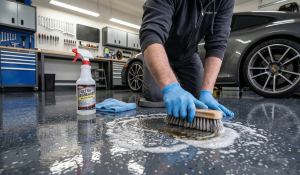
One of the significant advantages of polyaspartic flooring is its minimal maintenance requirements. To keep your floor looking its best:
-
Regular sweeping to remove dirt and debris
-
Occasional mopping with mild soap and water for deeper cleaning
-
Prompt cleanup of chemical spills (though polyaspartic resists most stains)
-
Avoiding drag-scraping heavy items across the surface
-
Annual inspection for any signs of wear or damage
Unlike epoxy, polyaspartic doesn’t require special waxes, polishes, or maintenance coatings to maintain its appearance and performance. This simple care routine will keep your floor looking great for years without the need for specialized products or services.
Addressing Common Concerns and Risks
Some homeowners express concerns about garage floor coatings based on past experiences or misconceptions. Here’s how polyaspartic addresses common worries:
-
Concern about slippery surfaces: Polyaspartic can be formulated with anti-slip additives that provide excellent traction even when wet, reducing slip risks.
-
Worry about tire marks: Unlike epoxy, polyaspartic resists the “hot tire pickup” that causes black marks from warm tires sitting on the surface.
-
Fear of delamination: The superior bonding properties and flexibility of polyaspartic dramatically reduce the risk of peeling or delamination that’s common with other coatings.
-
Concerns about installation difficulties: While DIY epoxy kits are common, professional polyaspartic installation eliminates the risks associated with improper application.
-
Worries about concrete moisture: Polyaspartic’s moisture tolerance makes it suitable for Washington garages and basements where moisture is often a concern.
By addressing these common risks directly, polyaspartic systems provide peace of mind along with superior performance.
Upgrade Your Garage or Basement Floor Today
If you are looking for a durable, attractive, and low-maintenance garage or basement floor coating, polyaspartic is the clear choice for Washington homeowners. Its quick installation, weather resistance, chemical durability, and attractive options make it ideal for those who want more from their concrete spaces.
The combination of performance benefits makes polyaspartic particularly well-suited to Washington’s climate challenges:
-
Fast cure times reduce disruption
-
Superior moisture resistance protects against our wet climate
-
UV stability prevents degradation during sunny periods
-
Chemical resistance protects against road salts and automotive fluids
-
Flexibility handles our temperature variations
Contact Integrity Garage Floors today to schedule your free consultation and transform your garage into a space you’ll be proud to use and show off. Our experts will help you select the perfect system for your needs and provide a detailed quote for your project.
FAQs
How does polyaspartic compare to epoxy coatings?
Polyaspartic coatings cure faster, offer better UV and moisture resistance, stay flexible longer, and provide stronger chemical and stain resistance than epoxy. They also have lower VOC content and can be installed in a single day rather than requiring multiple days like epoxy systems.
Can polyaspartic coatings be customized?
Yes. Polyaspartic coatings are available in various colors, textures, and finishes to match your personal style. Options include solid colors, decorative flake systems, metallic finishes, and custom designs to create a unique look for your space.
How long will a polyaspartic floor last?
With proper installation and minimal maintenance, polyaspartic floors can last 15+ years or longer, even in the wet and variable conditions of Washington garages and basements. This longevity makes them a superior investment compared to traditional epoxy or tile alternatives.
Is polyaspartic better than tile for garage or basement floors?
Yes, polyaspartic offers significant advantages over tile, including seamless waterproofing, greater impact resistance, and elimination of grout lines that can stain and collect dirt. Polyaspartic also provides a more uniform appearance and better long-term durability.
Can polyaspartic be applied over existing concrete with moisture issues?
In many cases, yes. Polyaspartic’s superior moisture tolerance allows it to be applied to concrete with higher moisture content than epoxy can handle. However, extreme moisture problems may require additional preparation or moisture mitigation systems before coating.
How does humidity affect the installation process?
Unlike epoxy, which can be significantly compromised by humidity during installation, polyaspartic is much more tolerant of varying humidity levels. This makes it an ideal choice for Washington’s climate, where humidity levels can fluctuate significantly.
Can I install polyaspartic myself?
While DIY kits exist, professional installation is strongly recommended for polyaspartic coatings. The quick cure time requires experienced application techniques, and proper concrete preparation is essential for long-term performance. Professional installation ensures you receive the full benefits of this premium coating system.